



Ventive Hospitality Ltd has launched a marine restoration initiative at Anantara Dhigu Maldives, deploying advanced 3D-printed reef technology to support coral regeneration and strengthen marine biodiversity.
Developed in collaboration with Swiss marine restoration organisation Rrreefs, Anantara’s marine biology team and Aquafanatics, the project marks one of the Maldives’ early deployments of Artificial Clay Reef (ACR) systems. The initiative is designed to create stable underwater habitats that encourage natural coral recruitment and long-term ecological regeneration.
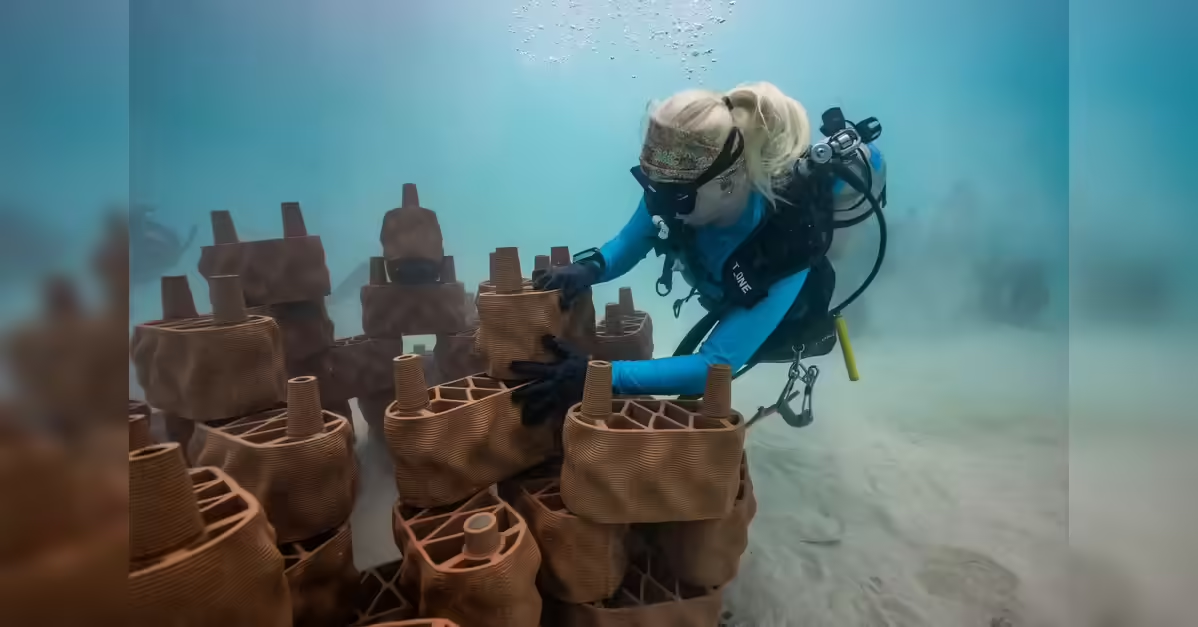
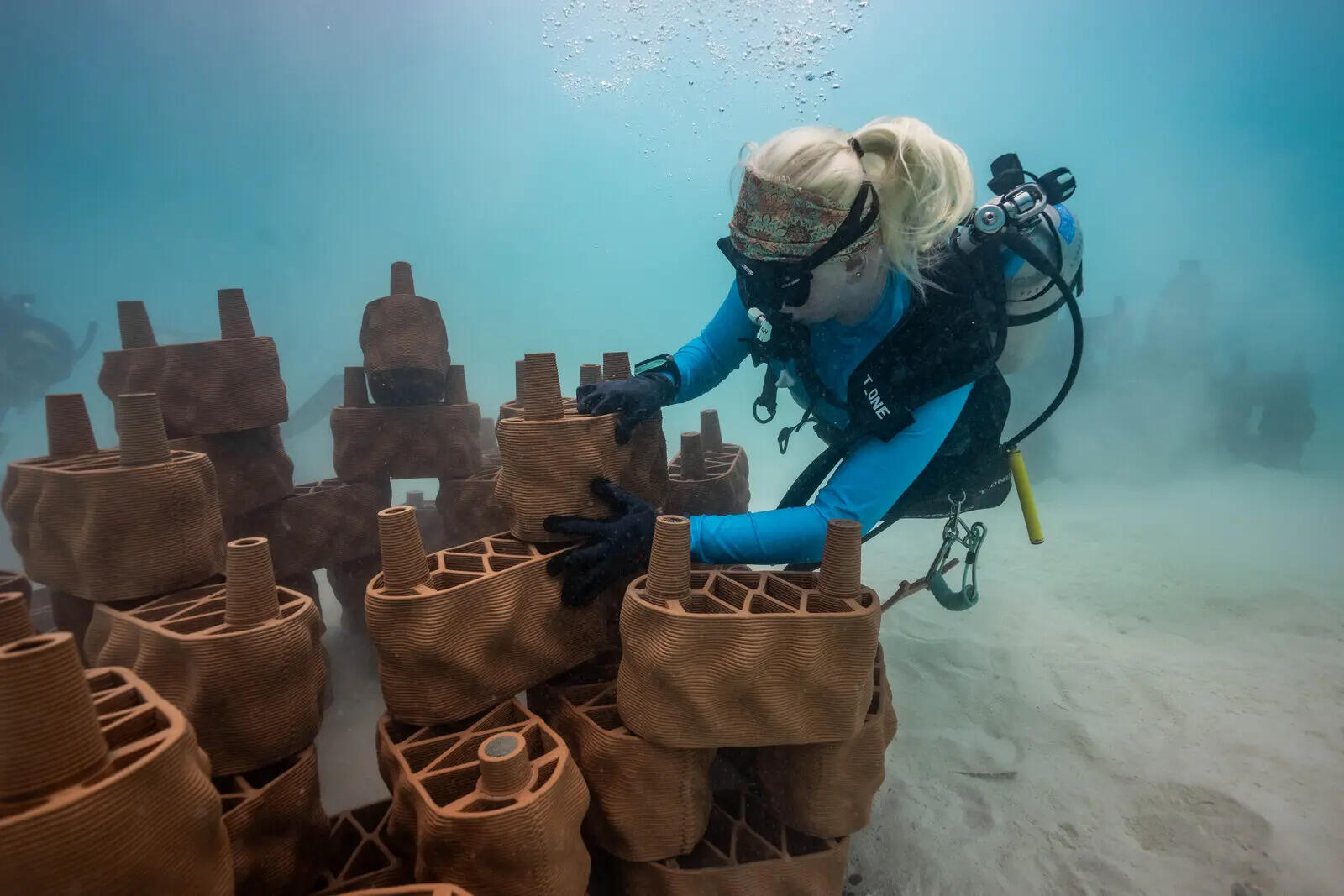
As part of the programme, 13 modular reef structures covering nearly 150 square metres of seabed have been installed adjacent to the resort’s SFS Coral Nursery. The 3D-printed terracotta modules are modelled on natural reef formations and aim to support the recovery of marine ecosystems affected by climate stress, coral bleaching and environmental degradation.
Unlike intervention-heavy restoration programmes, the initiative follows a science-led passive restoration approach that allows ecosystems to recover naturally while minimising disruption to surrounding coral communities.
Commenting on the initiative, Ranjit Batra, CEO, Ventive Hospitality Ltd, said: “Hospitality destinations are only as resilient as the ecosystems that sustain them. In the Maldives, where more than 80% of land just lies 1.5 metre above sea level, protecting marine ecosystems is fundamental to the future of tourism.
Our reef restoration initiative at Anantara Dhigu Maldives reflects Ventive Hospitality’s long-term commitment to responsible destination stewardship. It builds on our ongoing reef protection efforts across the three Anantara properties, where the Holistic Approach to Reef Protection (HARP) programme has integrated 14,455 coral fragments over eight years.
By combining science-led conservation, innovative 3D-printed reef technology and sustained ecological monitoring, at Ventive Hospitality we are continuously investing in stronger biodiversity and creating lasting value for local communities and future generations.”
The initiative involved more than 35 volunteers, marine experts and resort team members participating in reef deployment, underwater construction and scientific monitoring activities.
Going forward, the reef systems will be monitored through biodiversity assessments, coral recruitment studies and 3D photogrammetry mapping to evaluate habitat regeneration and long-term ecological development.
The project reflects a broader industry focus on integrating environmental stewardship into hospitality operations, particularly in destinations where tourism and ecosystem health are closely linked.