





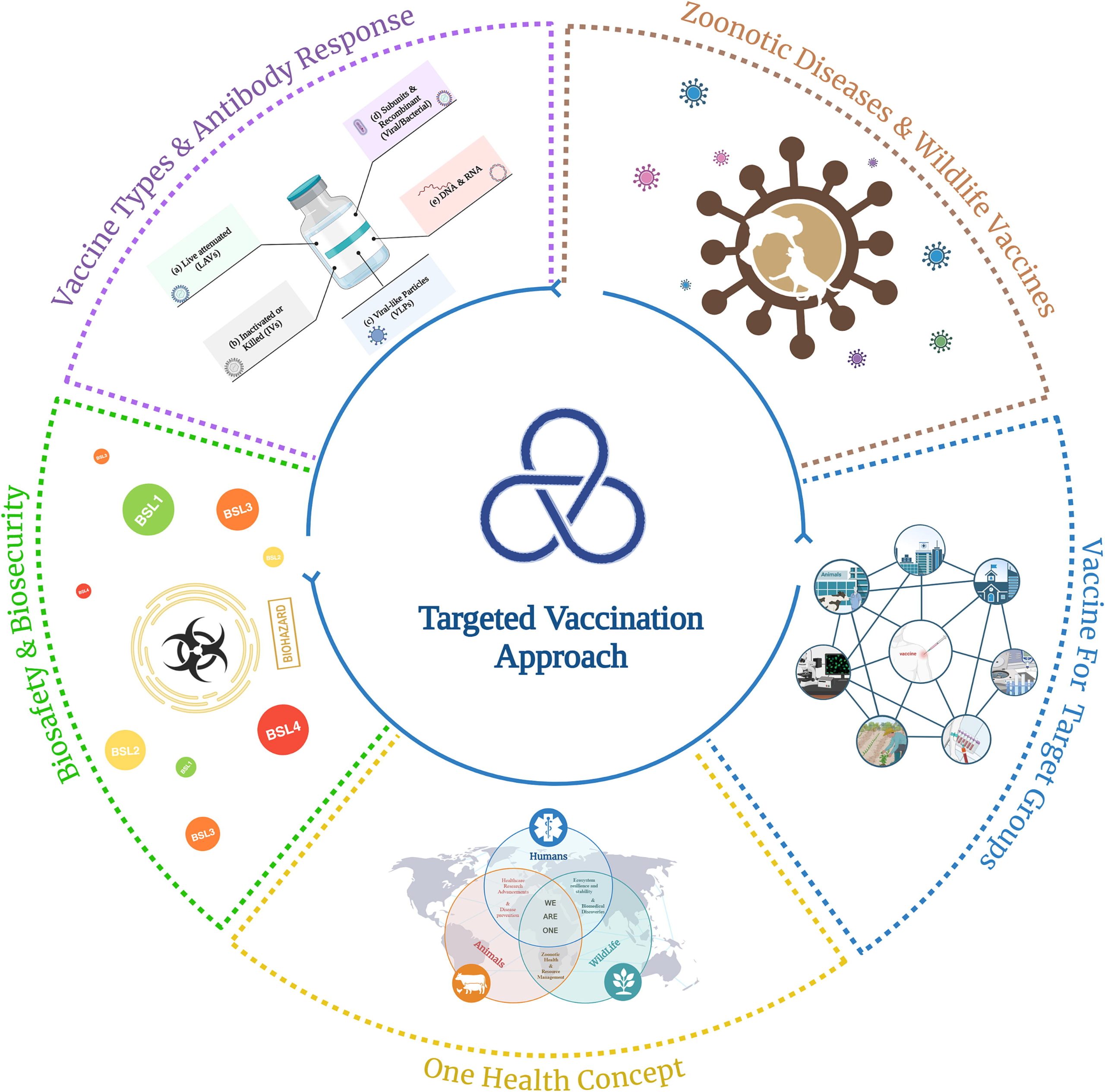
Biosafety prevents biohazard risks to humans and the environment, biosecurity protects biological assets from misuse, and One Health is an interdisciplinary framework uniting human, animal, and environmental health—all core to global health protection. A review published in the Journal of Biosafety and Biosecurity analyzed vaccines’ roles across these domains, advocates tailored strategies for high-risk groups, addresses laboratory biosafety and zoonotic disease control, and stresses personalized, updated vaccination policies.
Modern vaccine platforms include live attenuated, inactivated, subunit, recombinant, and virus-like particle vaccines, each triggering distinct immune responses. Nucleic acid (DNA/RNA) vaccines enable rapid, cost-effective production, as seen in COVID-19 vaccines, and rely on delivery systems like nanoparticles. Vaccination stimulates innate and adaptive immunity, generating antibody responses and immunological memory; antibody persistence varies by vaccine, with boosters needed to sustain protection. Herd immunity, achieved via mass vaccination, suppresses disease spread, while correlates of protection (CoPs) guide vaccine efficacy evaluation and development.
Targeted vaccination prioritizes high-risk occupational groups: healthcare and laboratory staff, agricultural workers, and travelers to endemic regions. Global vaccine coverage remains low for some vaccines, hindered by cost, logistics, and vaccine hesitancy. Age-specific and occupation-specific immunization, supported by workplace reminders and engagement, improves coverage and outbreak control.
Vaccines are integral to biosafety and biosecurity. Tailored vaccination for laboratory staff reduces laboratory-acquired infections (LAIs) from pathogens like Brucella and hepatitis B. Biosafety levels (BSL1–4) categorize lab risk, with vaccination mandatory for BSL2–4 personnel. LAIs occur via inoculation, inhalation, ingestion, or mucosal contact; underreporting complicates surveillance, though vaccines drastically lower infection risk. Many high-risk pathogens lack licensed vaccines or clear guidelines, demanding accelerated development and updated protocols. Vaccines also strengthen biosecurity by preventing livestock outbreaks and bioterrorism risks.
In particular, One Health addresses zoonotic diseases, which cause millions of illnesses and deaths annually by spreading between animals and humans. Veterinary vaccines protect livestock, safeguard endangered species (e.g., rabies vaccination for wildlife), and block zoonotic transmission. Targeted animal vaccination achieves herd immunity, culls infected animals, and immunizes pregnant individuals to protect offspring. International collaboration—such as the PREDICT Project and global rabies vaccine funding—enhances surveillance and control of zoonotic diseases.
In conclusion, vaccines are indispensable to global health, requiring risk-, occupation-, and demographic-tailored strategies. They protect laboratory staff, prevent LAIs, control zoonotic diseases via One Health, and secure livestock and human populations. Gaps in vaccine access and guidelines persist, calling for sustained research, policy updates, and international cooperation to strengthen prevention and protect public health.
###
References
DOI
Original Source URL
https://doi.org/10.1016/j.jobb.2024.10.002
About Journal of Biosafety and Biosecurity
The Journal of Biosafety and Biosecurity is an open access journal that publishes research articles, short communications, event reports, opinions, letter to editors, reviews and editorial comments in all aspects of biosafety and biosecurity, including laboratory management and infectious disease which could threat social stability. The objective of this journal is to promote global biosafety and biosecurity awareness and facilitate the development and appropriate practices.


