

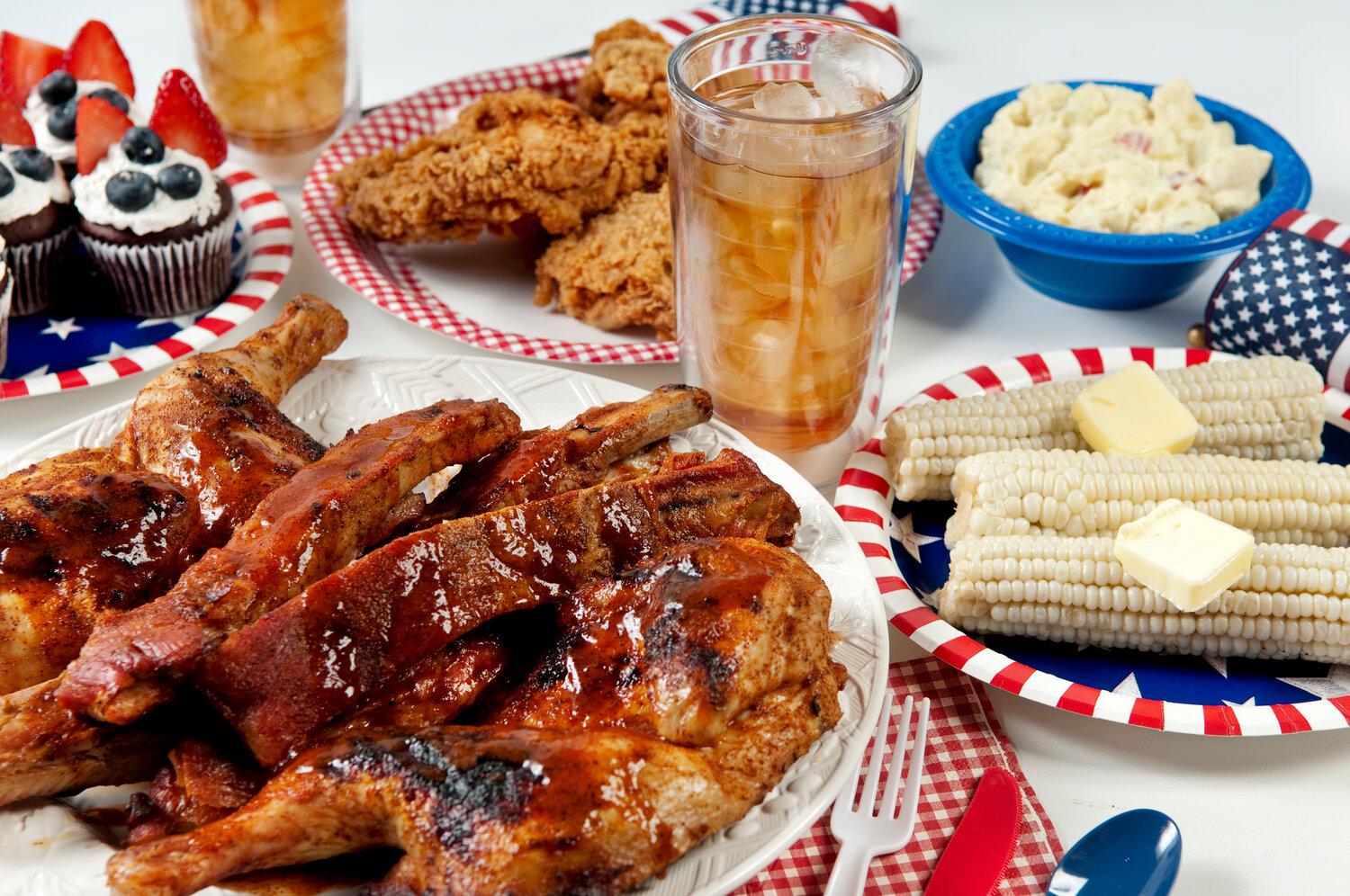
With backyard barbecues, picnics and camping trips in full swing, the Putnam County Department of Health is reminding residents that warm-weather dining can increase the risk of foodborne illness if food is not handled properly.
According to the U.S. Department of Agriculture’s Food Safety and Inspection Service, foodborne illnesses peak during the summer months as more people prepare and eat meals outdoors, where refrigeration, temperature-controlled cooking and handwashing facilities may be limited.
Health officials emphasize four key principles of food safety: clean, separate, cook, and chill.
“These principles are the basis of all food safety education we provide,” said Senior Public Health Sanitarian Mitch Lee.
The department teaches safe food-handling practices to local food establishments and also works with participants in programs such as the Youth Business Market at Tilly Foster Farm.
“For the Youth Business Market, we provide education to the participating families ahead of time and have a conversation to discuss food safety issues during which they can ask questions,” Lee said. “And a sanitarian is onsite for the event.”
Proper handwashing is one of the most important steps in preventing illness, officials said. Anyone handling food should wash their hands with soap and water for at least 20 seconds before and after food preparation. If soap and water are unavailable, hand sanitizer containing at least 60 percent alcohol can be used.
Health officials also stress that food-preparation surfaces, utensils, and cutting boards must be kept clean. Fruits and vegetables should be washed thoroughly before consumption, even if their skins or rinds are not eaten.
Preventing cross-contamination is another critical step. Raw meat, poultry, and seafood should be stored separately from ready-to-eat foods such as fruits and salads. In coolers, raw meats should be sealed and placed at the bottom to prevent juices from leaking onto other foods. Separate cutting boards should be used for raw and cooked foods.
The department also cautions against placing cooked food on plates that previously held raw meat unless the plates have been thoroughly washed. Marinades used on raw meat should not be reused unless they are first brought to a boil.
Proper cooking and refrigeration are equally important. Foods such as meat, poultry, seafood, dairy products, soft cheeses, sprouts and cooked vegetables are particularly susceptible to bacterial growth if not kept at safe temperatures.
“It’s all about time and temperature controls,” Lee said. “We use the initials ‘TCS’ foods when we work with restaurants. Even sliced tomatoes and melons are considered TCS because once cut, the exposed flesh is at risk for bacteria growth.”
Health officials advise keeping food out of the temperature “danger zone” between 40 and 140 degrees. Cold foods should be kept below 40 degrees and hot foods above 140 degrees. Residents planning outdoor gatherings are encouraged to bring plenty of ice, insulated coolers and a food thermometer.
When reheating food, it should reach an internal temperature of 165 degrees or be heated until hot and steaming throughout.
Improper cooling of leftovers remains one of the leading causes of foodborne illness, according to the department. Perishable foods should not be left unrefrigerated for more than two hours. When outdoor temperatures exceed 90 degrees, leftovers should be refrigerated within one hour.
Symptoms of food poisoning can range from mild discomfort to serious illness. Common symptoms include nausea, vomiting, diarrhea, stomach cramps, and fever. Symptoms may develop within hours of eating contaminated food, though in some cases they may not appear for days or weeks.
While most people recover without medical treatment, health officials advise contacting a healthcare provider if symptoms persist, worsen or lead to dehydration.
Article provided by the Putnam County Department of Health
