

As the baby-boom generation reaches older adulthood and average life spans continue to increase, the number of geriatricians needed to meet demand is also rising.
The American Geriatrics Society estimates that by 2030, the older adult population in the United States will need more than 12,000 geriatricians. Demand for geriatricians outpaces current projections for the growth of the geriatrician workforce, which may leave thousands of older adults struggling to access care from a specialist.
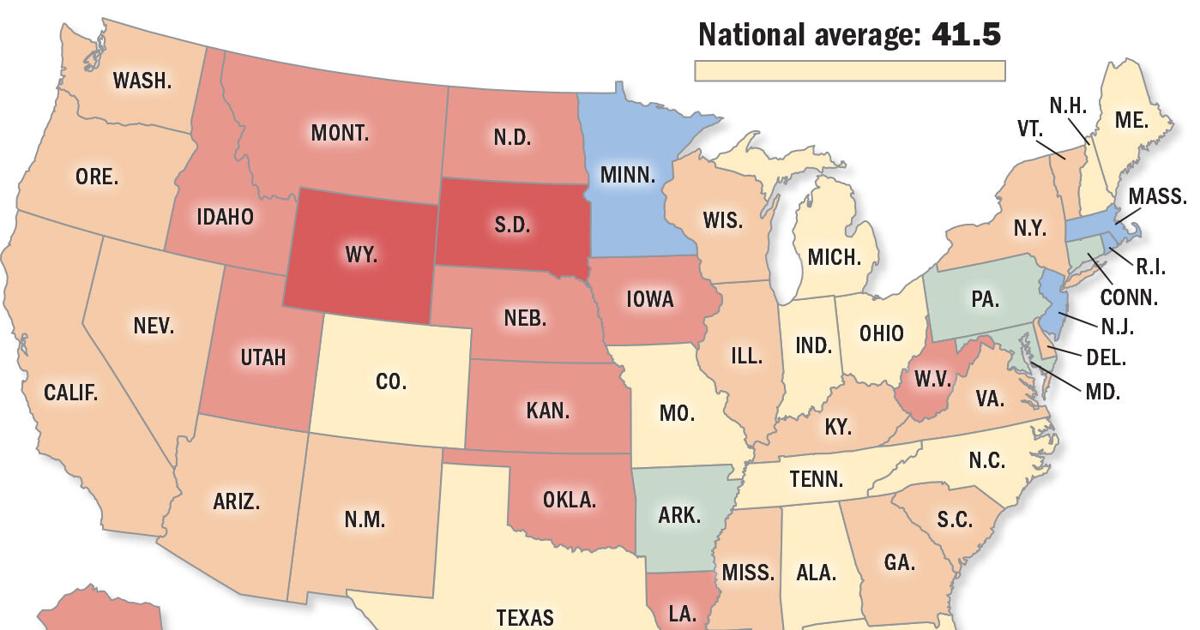
In Louisiana, there are 22.1 geriatricians available per 100,000 adults over 65 — that’s significantly less than the national average at 41.5, according to September 2025 data from America’s Health Rankings and the United Health Foundation.

These states had the highest rates of family medicine and internal medicine geriatricians and nurse practitioners per 100,000 adults over 65:
-
Rhode Island with 74.1;
-
Massachusetts with 67.4;
-
Minnesota with 66.3;
-
New Jersey with 65.9;
-
Connecticut with 59.8;
-
Maryland with 53.9;
-
Arkansas with 52.2;
-
Pennsylvania with 51.2;
-
Colorado with 48.6;
-
and Ohio with 48.2.
These states had the lowest rates of family medicine and internal medicine geriatricians and nurse practitioners per 100,000 adults over 65:
-
South Dakota with 17.3;
-
Wyoming with 19.9;
-
Idaho with 21.4;
-
West Virginia with 21.9;
-
Louisiana with 22.2;
-
Montana with 23.4;
-
Iowa with 25;
-
Oklahoma with 25.1;
-
Alaska with 25.6;
-
Nebraska with 26.9;
-
and North Dakota with 27.6.
Geriatricians and geriatric nurse practitioners are trained to meet the unique needs of older adults. Care from a geriatrician can be helpful when an older person is coping with multiple chronic conditions or managing multiple medications, as some drugs may have adverse side effects or harmful interactions with each other.
Geriatricians are also better suited to treat aging-related diseases such as dementia, incontinence and osteoporosis.
Compared with older adults receiving standard care, those receiving care in special geriatric units have better functioning at discharge, and rehabilitative services involving geriatricians result in lower nursing home admissions and improved function at follow-up.
Evidence also suggests that geriatricians in outpatient settings provide better medication management than other clinicians.
