




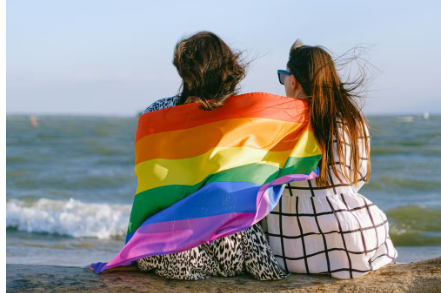
Booking.com has released its latest Travel Proud Research Report, providing insights into the travel experiences, concerns and behaviours of LGBTQ+ travellers. Based on responses from 13,300 LGBTQ+ travellers across 19 countries, the report highlights the challenges many travellers continue to face while navigating destinations around the world.
Among Indian respondents, the research found that 46 per cent are willing to conceal their sexual or gender identity in order to visit a bucket-list destination. Only 31 per cent said they are openly LGBTQ+ when travelling, compared with 60 per cent who are out to their close friends.
The findings indicate that travellers who are not openly LGBTQ+ while travelling report fewer negative experiences. However, the report suggests this may reflect the compromises some travellers make to minimise potential risks and discrimination during their journeys.
Safety remains a key concern for many travellers. According to the study, 66 per cent of Indian LGBTQ+ travellers are taking more precautions than they did a few years ago. Common measures include sharing live locations with trusted contacts, using virtual private networks, carrying secondary mobile devices and removing dating applications before crossing international borders. More than half of respondents said they remain cautious about displaying affection in public while travelling.
The report also highlights the experiences of transgender travellers, who continue to face distinct challenges. Trans respondents were more likely to report heightened travel anxiety compared with other groups and cited concerns related to visibility and personal safety during trips.
Despite these concerns, the research found that positive travel experiences remain widespread. Ninety-four per cent of Indian LGBTQ+ travellers reported at least one positive experience linked to their identity while travelling in the past year. Examples included staff using correct pronouns, visible signs of inclusivity at accommodation providers, gender-neutral facilities and interactions with LGBTQ+ employees.
The study also points to the growing role of artificial intelligence in travel planning. Nearly 88 per cent of Indian LGBTQ+ travellers surveyed said they had used AI tools to plan a trip in the past year. Almost half reported trusting AI to provide objective and non-judgmental travel advice related to their identity, while 49 per cent said they felt more comfortable asking AI sensitive questions about local LGBTQ+ communities than approaching a person directly.
Santosh Kumar, Regional Head, South Asia at Booking.com, said: “This year’s research shows why our Travel Proud program continues to be as important as ever. We’re encouraged by how the program has grown in the five years since it launched in 2021 and how enthusiastically it has been embraced by so many of our partners around the world. Training is now available in 11 languages and has been completed by more than 142,000 properties, allowing travellers to filter for LGBTQ+ friendly properties in over 20,000 cities and destinations across the globe. Despite the challenges, and the increased precautions LGBTQ+ travellers are taking in order to feel safe, we are inspired by the 69 per cent of Indian LGBTQ+ travellers who prioritize trips where they can be 100 per cent authentically themselves; and who continue to fiercely and authentically Travel Proud.”
The findings underscore the importance of inclusive travel environments and demonstrate how technology, industry initiatives and evolving traveller expectations are shaping the future of travel for LGBTQ+ communities.