


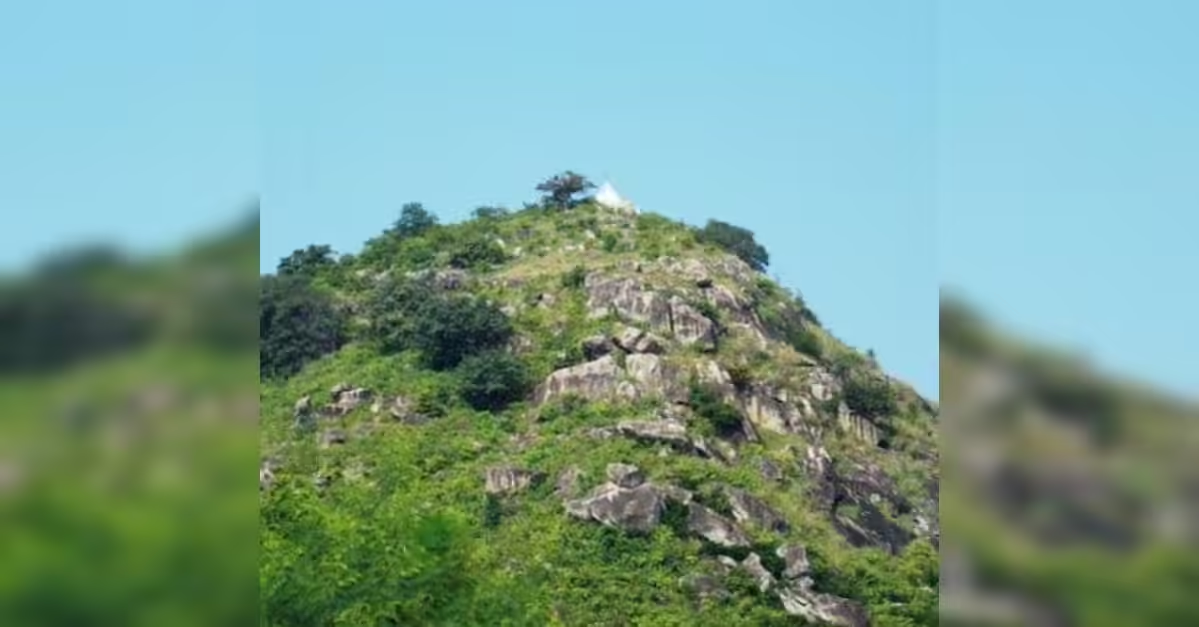

The state tourism department, in coordination with the forest, environment and climate change department, has prepared an action plan to develop barren hills in and around Gaya and Bodh Gaya into green, vegetated zones.
The plan includes plantation of over one lakh saplings using the seed ball technique, aimed at turning these hills into eco-tourism hubs while restoring the environment. The initiative extends beyond Gaya and Bodh Gaya to other areas of natural beauty and wildlife across the state, including Rajgir, Nawada, Kaimur, Bhagalpur, Munger, Begusarai and West Champaran.
The tourism department aims to create eco-tourism destinations that offer residents a chance to experience Bihar’s rich natural beauty, wildlife and scenic landscapes. The initiative is also expected to attract tourists from across the country, boosting revenue and generating employment for local communities.
According to a press release, the plan will focus on hills of religious and historical significance, including Dungeshwari, Brahmayoni, Pretshila, Ramshila, Gurupa and Barabar hills in Gaya and Bodh Gaya.
The twin cities are among Bihar’s main religious tourism centres, attracting Buddhist and Hindu pilgrims from across the world. Apart from the Unesco-listed Mahabodhi Mahavihara in Bodh Gaya, the surrounding hills also hold historical and spiritual importance.
In addition, the department has proposed development of over 24 eco-tourism destinations. These include Gautam Buddha Wildlife Sanctuary (Gaya), Valmiki Tiger Reserve (West Champaran), Kaimur Wildlife Sanctuary, Bhimbandh Wildlife Sanctuary (Munger), Vikramshila Gangetic Dolphin Sanctuary (Bhagalpur), Kanwar Lake Bird Sanctuary (Begusarai), Mundeshwari Dham (Kaimur), Rajgir Hills and hot springs, Ghora Katora (Rajgir), Kakolat waterfall (Nawada), Vanavar hills (Jehanabad) and Gurupa hills (Gaya). Patna Zoo is also part of the proposed eco-tourism circuit.