


PulseAI Research, the consumer intelligence and insights division powered by Smytten, has released a new report examining how changing travel habits are influencing luggage preferences among Indian consumers.
Titled “Baggage Check: What India Really Wants When It Packs for a Trip”, the study indicates that travel is increasingly becoming a regular lifestyle activity rather than an occasional event. According to the report, 68 per cent of consumers travel every two to three months or more frequently, resulting in greater emphasis on luggage durability, mobility and convenience across multiple journeys.
The findings show that travellers aged 25 to 44 are driving this behavioural shift. Nearly four in ten consumers within this age group travel at least once a month, making them particularly focused on product performance and long-term usability.
Practicality emerged as the dominant purchase consideration. Waterproof materials were identified as the most desired luggage feature by 52 per cent of respondents, closely followed by lightweight construction at 51 per cent and 360-degree spinner wheels at 44 per cent. In comparison, technology-enabled features such as USB charging ports ranked considerably lower, suggesting that consumers continue to prioritise functional benefits over technology-driven additions.
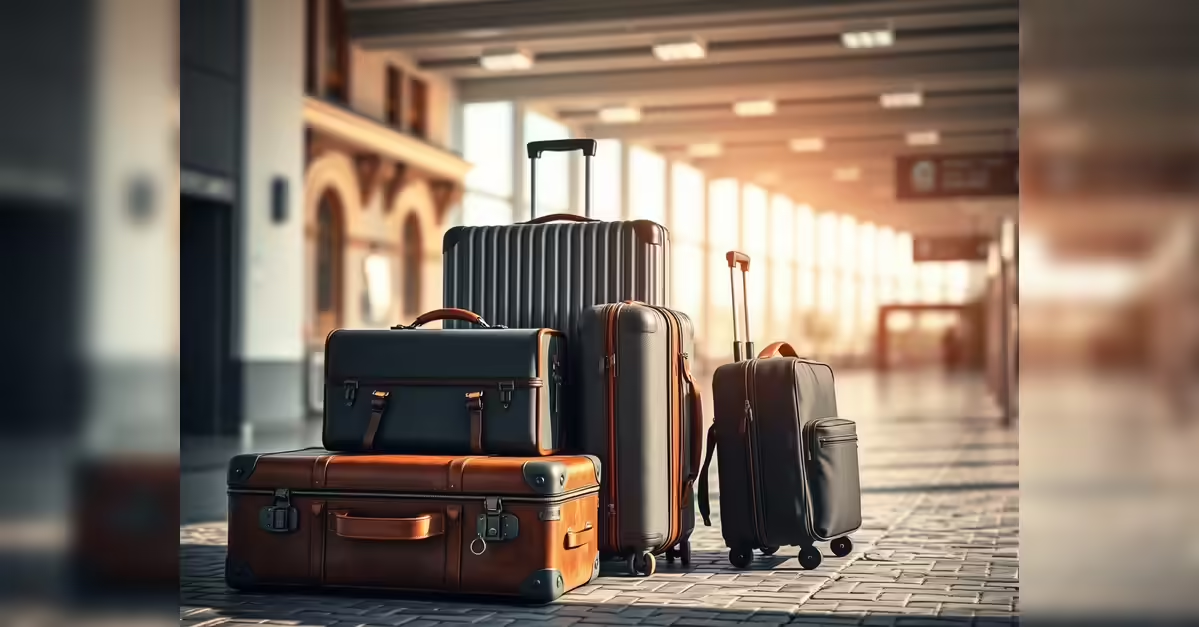
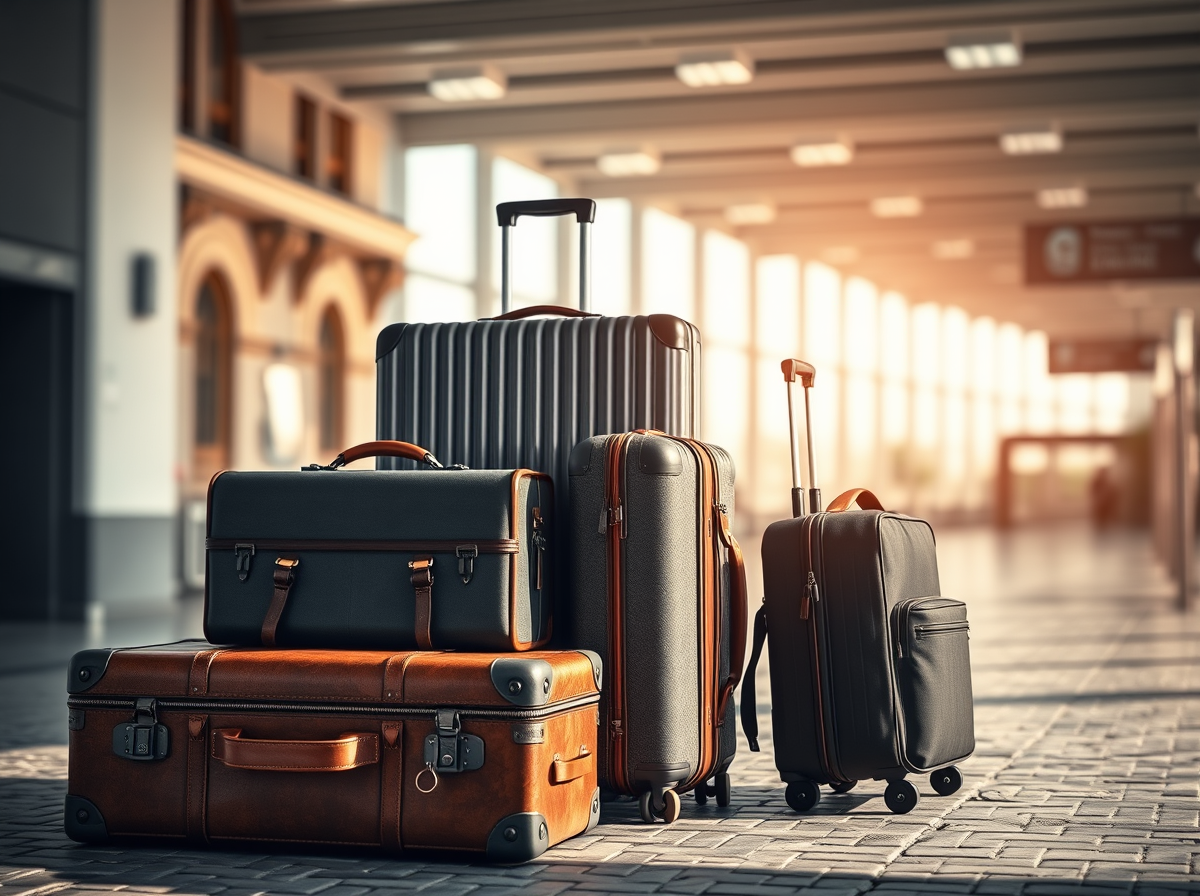
The report also highlights the emergence of multi-bag travel habits among Indian consumers. Backpacks were identified as the preferred travel format, followed by cabin and check-in luggage, reflecting the growing need for specialised travel solutions based on trip type and duration.
A premiumisation trend is also evident, particularly among younger travellers. Around 45 per cent of respondents aged 25 to 34 indicated a willingness to consider luggage priced above INR 8,000. However, value remains an important factor, with the INR 4,001 to INR 8,000 segment emerging as the most preferred price bracket overall.
The study further points to a changing competitive landscape. While established brands continue to dominate awareness and usage, consumer preference is now evenly divided between traditional and emerging luggage brands, demonstrating greater openness towards newer market entrants.New-age brands are also performing strongly on customer satisfaction and user experience metrics, suggesting that convenience, quality and travel functionality are increasingly influencing purchasing decisions.
Siddhartha Nangia, Co-founder of PulseAI Research, said:
“Travel is becoming a way of life for Indian consumers, and that is fundamentally changing what they expect from luggage. Our research found that as travel frequency rises, utility has become the new premium. Lightweight design, smooth mobility, durability, and convenience matter far more than technology gimmicks or branding alone. The next category leaders will be brands that reduce travel friction and consistently make journeys simpler, smoother, and more enjoyable.”
The report also found that luggage purchasing has evolved into an omnichannel journey, with consumers researching products online, validating choices in physical stores and completing purchases through channels that offer the highest confidence and convenience. E-commerce platforms currently lead purchases, followed by offline retail outlets and direct brand websites.
Based on responses from 2,000 consumers across India, the study suggests that future growth in the luggage market will be driven by brands that combine trust, practical innovation and seamless travel experiences.