

DES MOINES, Iowa — Emergency room visits involving electric bikes, scooters, and other small personal vehicles have climbed sharply over the past six years, according to UnityPoint Health.
In 2020, UnityPoint reported just 16 crash-related emergency room visits. This year alone, that number has already reached 79.
Overall, doctors at UnityPoint say they have treated more than 400 people hurt in these types of crashes.
Doctors also noted that injuries are not limited to children, as patients of all ages are coming in with injuries from e-bike and scooter accidents.
“These things are a lot more dangerous than maybe as portrayed, or maybe people understand, because it’s not a little toy, and it’s not like a scooter or a bicycle that, like we adults, grew up with,” said UnityPoint Health trauma surgeon Dr. Rick Sidwell. “These are truly powered vehicles, and kids get hurt, kids get badly hurt.”
Under federal law, most e-bikes are considered nonmotorized vehicles just like traditional bicycles, so riders don’t need a driver’s license or insurance and they don’t have to wear a helmet. But many states have more stringent rules, and regulations vary widely.
Right now, communities across central Iowa are working to clarify their rules so riders know where they are allowed to use these vehicles. Ankeny and Newton have already implemented ordinances, while Clive and Waukee are still working to pass similar rules.
Here’s what e-bikers should know to keep themselves and people around them safe.
Not all e-bikes are the same
Many states have adopted a three-tier classification of e-bikes: Class 1 have motors that kick in while riders pedal with maximum speeds of 20 mph; Class 2 have throttles that reach the 20 mph maximum without pedaling; and Class 3 provide pedal-assist up to 28 mph.
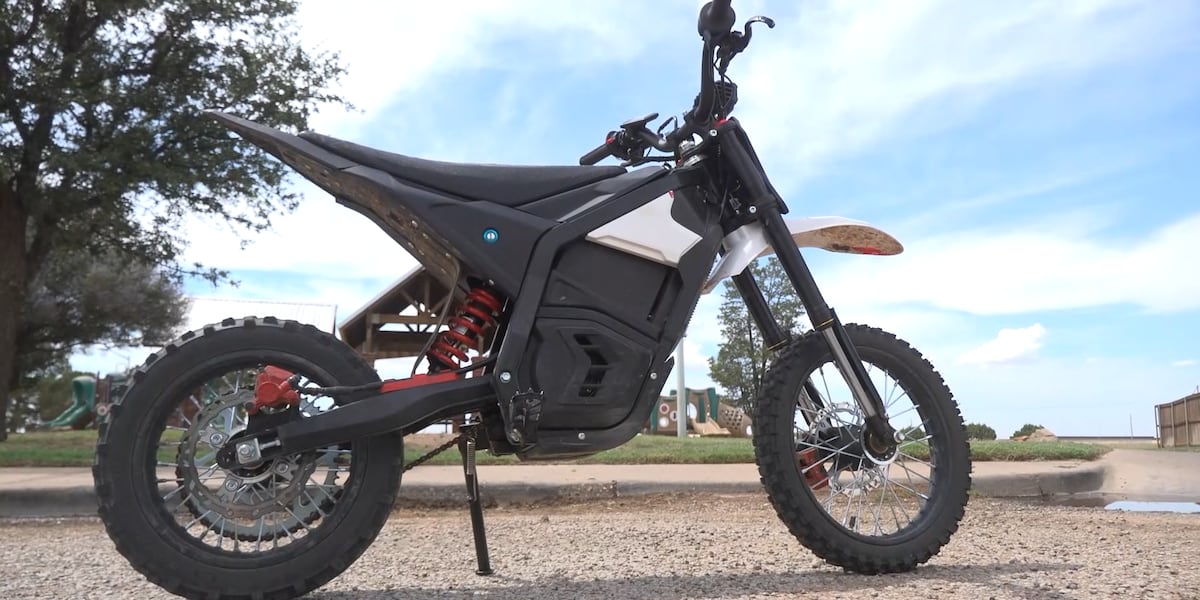
There are faster versions available, sometimes called e-motos, that can reach 40 mph even without pedaling. Many states treat these bikes like motorcycles, so they’re not allowed on sidewalks or paths, but in some states there are no specific rules for the ultra-fast bikes.
As John Maa, a general surgeon at MarinHealth Medical Center in Northern California, notes, it’s basic math that increased speeds lead to increased injuries.
“It’s Newton’s principles, right? Force equals mass times acceleration, and also kinetic energy is mass times velocity squared,” Maa said.
Know your bike
The market is full of vehicles that blur the line between a traditional e-bike and something closer to a motorcycle, and manufacturers don’t always make the distinction easy to spot.
To understand a bike’s capabilities and where it can be legally ridden, check its top speed, motor wattage, and whether it requires pedaling or operates on throttle alone. Anything outside the three-class classification could be subject to motor vehicle regulations, making it illegal to ride on some shared-use paths where slower e-bikes are allowed.
“The first thing we always tell people is familiarize yourself, read the manual, look at some videos, look at your specific model,” said Charles DiMaggio, an injury public health researcher and professor at New York University’s medical school.
Going to a local bike shop instead of buying online can help, enabling riders to ask questions, take a test ride and learn what’s legal and what isn’t.
Follow traditional bike safety measures
Hospitals and medical groups like the American College of Surgeons and American Association of Neurological Surgeons have called for stricter policies and offered safety tips.
Above all, they stress wearing a helmet. Other tips include riding defensively around cars, using front and rear lights, wearing reflective vests in the dark, and avoiding biking under the influence of drugs or alcohol. Experts also recommend against altering an e-bike to make it faster.
Maa added that e-bike riders should consider wearing a motorcycle helmet that covers the neck to protect against spinal injuries. He also advises parents to make sure their children can comfortably ride a pedal bike before they graduate to e-bikes.
“Make sure they’re comfortable, they understand the rules of the road, they’re able to navigate turns, understand the flow of traffic, the use of bicycle lanes,” Maa said.
Information from the Associated Press was used in this article.
Copyright 2026 KCRG. All rights reserved.
