

Israel’s Health Ministry has eased licensing requirements for medical imaging technicians who were educated in Palestinian universities in the West Bank, after a report by Haaretz detailed how hundreds of Arab workers were fired, many of them experienced staff.
Among other changes, the ministry introduced exemptions for X-ray technicians with prior clinical experience, in an effort to allow hospitals and imaging centers to continue employing at least some of those affected by the reform.
As reported in Haaretz, after the Knesset passed the Imaging Law, revoking recognition of degrees from Palestinian institutions, hundreds of imaging technicians, a significant share of whom were trained at academic institutions in the West Bank and East Jerusalem, were dismissed over the past year.
The law, which came into force in 2024, was applied retroactively to staff already employed in the health care systems. As a result, many technicians working in hospitals and community imaging centers lost their jobs, while others were barred from completing the practical training required for licensing or even sitting for the Health Ministry’s exams, leading to a wave of dismissals among Arab imaging technicians.
Haaretz Podcast
Inside Israel’s other war: fighting the quiet dismantling of democracy
Haaretz Podcast
Inside Israel’s other war: fighting the quiet dismantling of democracy
total— : —
Hospitals and imaging centers in peripheral regions have since faced acute staffing shortages in an already overburdened field.
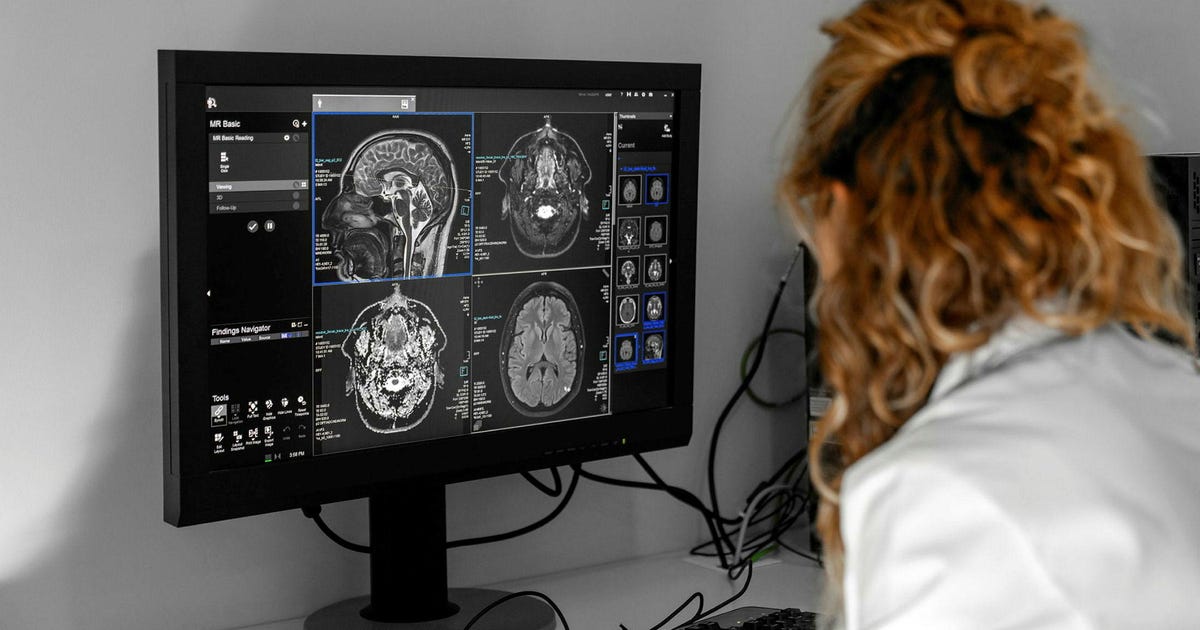
Imaging is a central component of modern medicine, serving as the basis for critical decisions. It has steadily increased in use, with the number of MRI scans in Israel jumping from approximately 250,000 per year to over half a million within a decade. The number of CT scans has also risen significantly and more than 1.3 million scans are performed annually today. Imaging technicians operate under heavy workloads, and in Health Ministry’s surveys, the profession consistently ranks among the most demanding in the medical system.
Approximately 2,700 imaging technicians are currently registered with Health Ministry with an estimated 85-90 percent of them working in the profession. According to various estimates, at least a third of them were trained outside Israel, primarily at institutions in Jenin, Nablus, East Jerusalem and Jordan. For years, graduates of these institutions were able to work in the Israeli health care system as their degrees were recognized by the Education Ministry.
In a letter to hospitals, health maintenance organizations and imaging centers, the Health Ministry said the changes followed “various inquiries and comments received from the field” and discussions within ministry leadership. The letter included updates to the law’s transitional provisions.


Under the existing framework, eligibility for a license requires at least three years of full-time work experience. But low wages in the sector have pushed many technicians into part-time roles across multiple institutions, leaving them unable to meet the threshold.
The updated rules introduce additional pathways, including six years of experience at 50 percent employment. The ministry also said work hours will now be calculated according to actual hours worked rather than formal job definitions, a change aimed at reflecting widespread overtime in the profession. “An employee formally employed at half-time who in practice worked full-time hours will be credited accordingly,” the document stated.
Hospital work will now also count toward experience requirements for a community license – a change relevant to technicians who split their employment between settings. Periods of maternity leave, sick leave and reserve duty will also be recognized as part of accumulated seniority.
Technicians awaiting licensing exams will be allowed to continue working in medical institutions for a limited period, under supervision. In addition, the passing grade in the state licensing exam has been lowered from 70 to 60 for technicians working in community settings.
The ministry’s revisions ease some of the rigid conditions that led to the dismissal of hundreds of experienced technicians and will likely allow at least part of the dismissed workforce to return to employment. However, officials acknowledge the measures fall short of fully resolving the manpower crisis created by the law.


At the same time, key restrictions remain in place. Technicians are still required to choose between hospital and community licensing tracks, each with separate certification. As a result, those already employed in community imaging before the reform are effectively locked into that sector, with no path into hospital work.
The regulation also continues to limit technicians to specific modalities. A license to perform X-ray imaging does not permit work in CT or MRI, despite prior practice in many institutions allowing cross-training. In addition, the appeals committee established under the law has no meaningful authority to approve exceptions, even in borderline cases or when applicants are only marginally short of requirements.
MK Ahmad Tibi, head of the Ta’al party, who has led efforts to amend the rules, said the changes mark “an important shift” in the ministry’s position, but fall short of addressing the harm caused.

“They ease licensing conditions but do not protect against retroactive dismissals, do not reinstate those already fired, and do not fully address the damage caused by applying new requirements to people who have worked in the system for years.”
He added that preventing further dismissals and correcting past harm would require either legislative change or binding transitional regulations, rather than administrative guidance alone.