

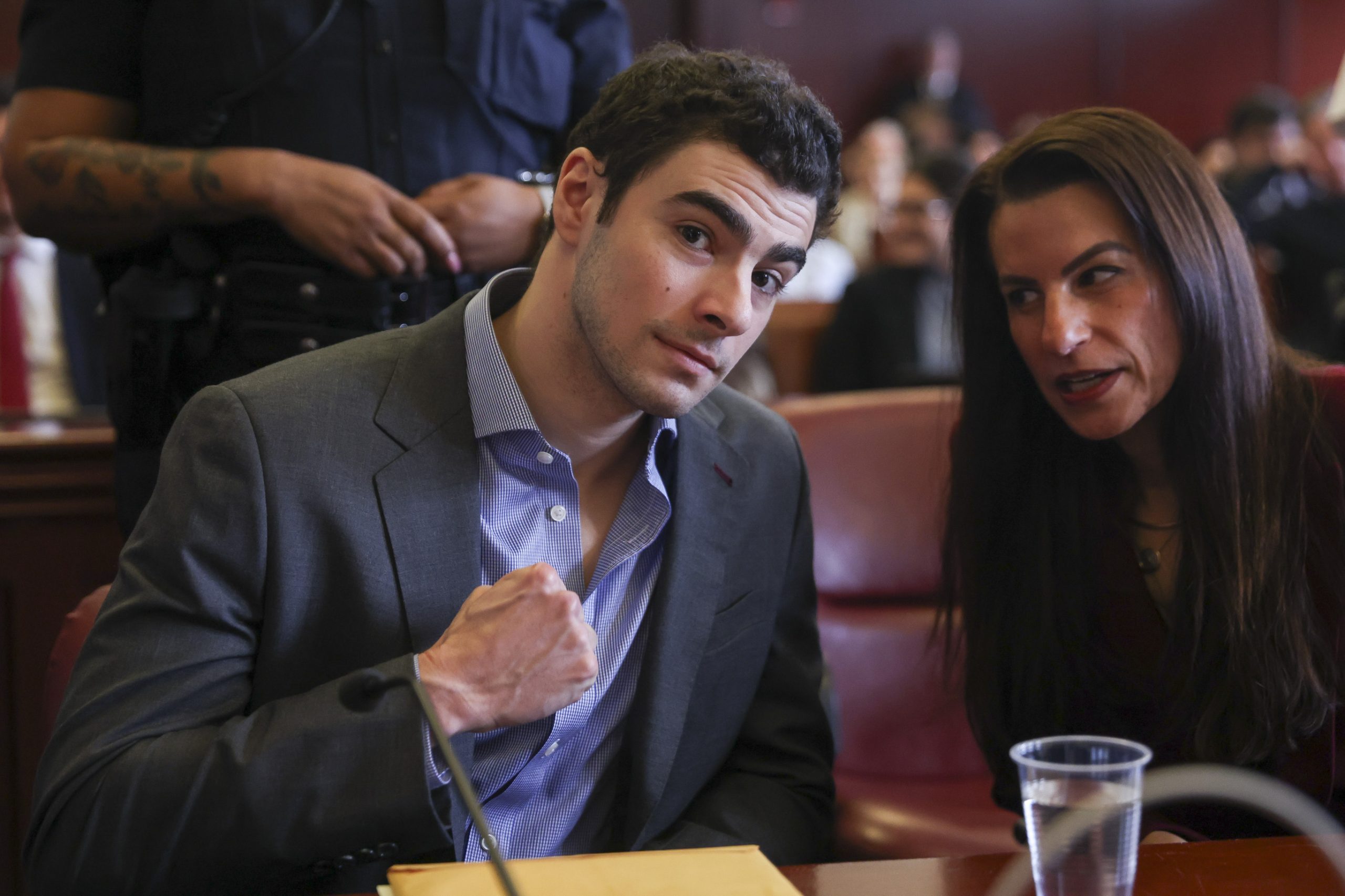
Luigi Mangione’s attorneys have withdrawn their plan to allege at trial that he was undergoing a mental health crisis, court filings revealed on Friday. Mangione pleaded not guilty in 2024 to the murder of United Healthcare CEO Brian Thompson.
The notice came in a letter that Mangione’s attorneys sent to Justice Gregory Carro of the Supreme Court of the State of New York. In the letter, the defense team withdrew its notice of intent to proffer psychiatric evidence under §250.10 of the state’s Criminal Procedure Law (CPL).
The reversal comes just one day after a pretrial hearing in which Justice Carro disclosed that the defense had filed papers in September 2025 indicating it might offer psychiatric evidence at trial. Under New York’s CPL, a defendant must file a §250.10 notice before introducing such evidence. The specific theory the notice would have supported was “extreme emotional disturbance,” an affirmative defense under state law. Had a jury accepted it, Mangione’s most serious charge could have dropped from second-degree murder to first-degree manslaughter. The former carries a maximum of a life sentence, while the latter has a maximum of 25 years. The defense had indicated it was prepared to argue that Mangione was in acute distress, in part because of his experiences with the health care system, when prosecutors say he shot Thompson.
At the hearing, Mangione’s attorney Karen Friedman Agnifilo pushed to keep the psychiatric materials sealed. She argued the defense was “not available federally” and that disclosing it would prejudice his parallel federal case. The defense also conceded that raising a psychiatric defense would require Mangione to admit he committed the act. Rather than produce Mangione’s psychiatric history and the name of their expert, Mangione’s counsel withdrew the notice. Justice Carro then ordered the related transcripts and documents to remain sealed. The move also freed Mangione from any obligation to hand those records over.
Mangione’s lawyers offered no explanation for the change in course. Analyst Richard Schoenstein said the move sidesteps the discovery deadline but “does not entirely foreclose” an, albeit difficult, return to the argument later. Former Manhattan prosecutor Gary Galperin suggested that Mangione may have reconsidered or that his mental-health expert backed out. The door remains open to revisit the strategy before Mangione’s first trial begins in September.
