

MICHIGAN (WSBT) — Michigan’s overdose rates have been declining over the last five years, according to the Michigan Department of Health and Human Services.
But health officials are still concerned about Kratom.
The Kratom leaf product contains a highly addictive compound called 7-OH.

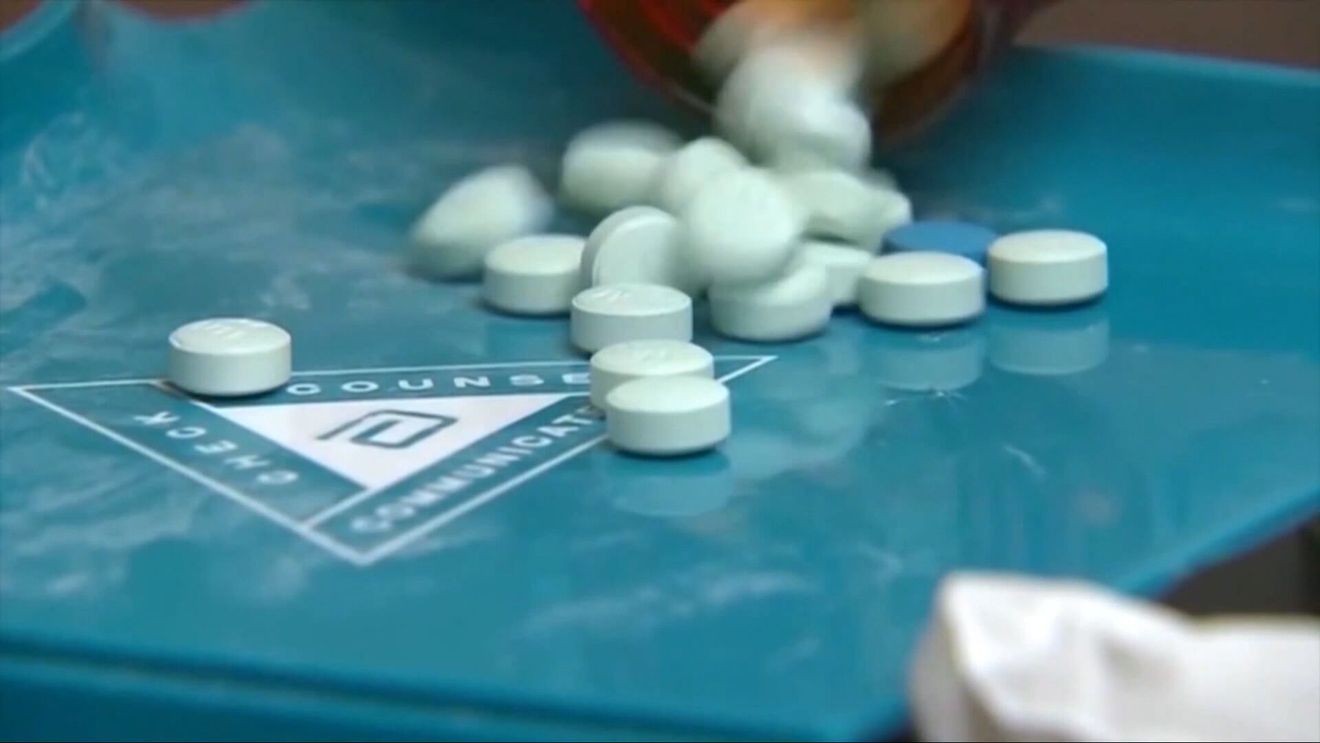
Although Michigan’s overdose deaths are down significantly, officials said they’re still worried about new substances entering the market, like 7-OH, as it acts as an opioid-like substance (WSBT Photo).
It’s found in small traces in the plant but many new “7-OH” products have more concentrated or semi-synthetic amounts — making it more addictive and a top concern for health officials.
The plant is banned in several states, but not yet in Michigan, despite lawmakers’ push to ban the substance that is easily obtained in smoke shops and at some gas stations.
Reports to the poison control center for Kratom use, that’s something we are really continuing to see. It’s something that people may not know, that Kratom or 7-OH is what we’re commonly seeing, and it’s not something that people necessarily understand what they’re buying, and there’s risk associated with it,” said Jared Welehodsky, JD, Michigan Department of Health and Human Services Senior Analyst.
Although Michigan’s overdose deaths are down significantly, officials said they’re still worried about new substances entering the market, like 7-OH, as it acts as an opioid-like substance.

Although Michigan’s overdose deaths are down significantly, officials said they’re still worried about new substances entering the market, like 7-OH, as it acts as an opioid-like substance (WSBT Photo).
According to recent data from Michigan’s Department of Health:
- In 2021, the health department saw 3,096 overdose deaths
- In 2025, there were fewer than 1,800 deaths
Officials said the decrease reflects Michigan’s efforts to address substance use disorder through prevention, treatment and recovery services.
“We have new money from our opioid settlement dollars that have come into the state, both directly to the local governments and us, and those dollars have really been able to be put to work over the last few years. It’s helping expand new treatment centers, including in Southwest Michigan,” said Welehodsky.
But officials say their work continues as they monitor addictive drugs like fentanyl and 7-OH.

Although Michigan’s overdose deaths are down significantly, officials said they’re still worried about new substances entering the market, like 7-OH, as it acts as an opioid-like substance (WSBT File).
We have EMS data, we have house emergency department data, and then we have the fatal overdose data that we all like to factor into seeing what the trends are in the overall drug supply and what are the risks to Michiganders that we need to respond to to warn the public about,” said Welehodsky.
Officials say that Kratom and 7-OH are not driving the majority of overdose rates in the state, but that it continues to be a rising concern as it continues to be legally sold in smoke shops statewide.
