

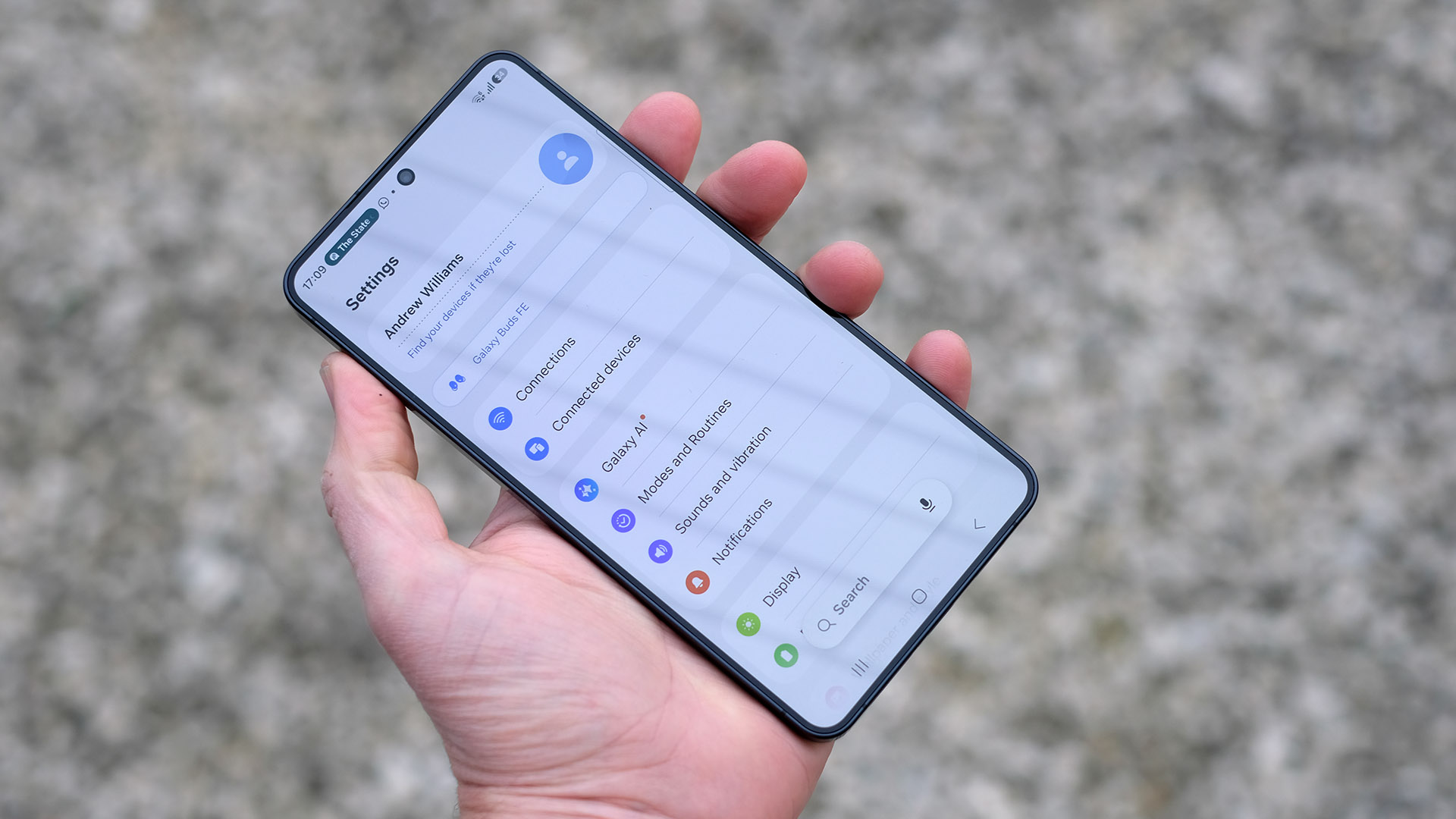
Samsung is overhauling how its One UI Beta Program works, making it significantly easier for Galaxy users to jump in. Just as importantly, jump out again.
The update, spotted in a notice within the Samsung Members app via SamMobile, is designed to remove much of the friction. This friction has long defined Android beta testing.
For years, enrolling in beta software on Galaxy devices has felt more complicated than it needed to be. This is especially true compared to Apple’s smoother beta rollout system. Samsung now appears to be closing that gap with a simplified, two-step process. This process separates joining the beta programme from actually participating in individual beta tests.
According to the notice, users will now only need to agree to the beta terms and conditions once when joining the overall programme. After that, the agreement remains valid until the user chooses to fully leave the beta programme. This removes the need to repeatedly accept terms for each device or build.
The rollout of this new system will begin with One UI 9. This marks a broader shift in how Samsung manages pre-release software testing.
To support the change, Samsung is also redesigning where beta access lives inside the Samsung Members app. Instead of temporary banners, the company is introducing a dedicated “Beta Program Home” section. This new hub will act as a permanent space where users can browse available beta builds and read tips. Users can also join tests with a single tap.
Exiting a beta is being simplified in the same way. Within each beta’s details page, a new “More” menu will include a clear “Withdraw from beta program” option. This will allow users to return to stable software without digging through multiple settings screens.
Taken together, the changes should lower the barrier to entry for beta testing on Galaxy devices. More importantly, it opens the door for everyday users, not just enthusiasts, to try experimental software. These users can do this without worrying about getting stuck in unstable builds or complicated rollback processes.
