

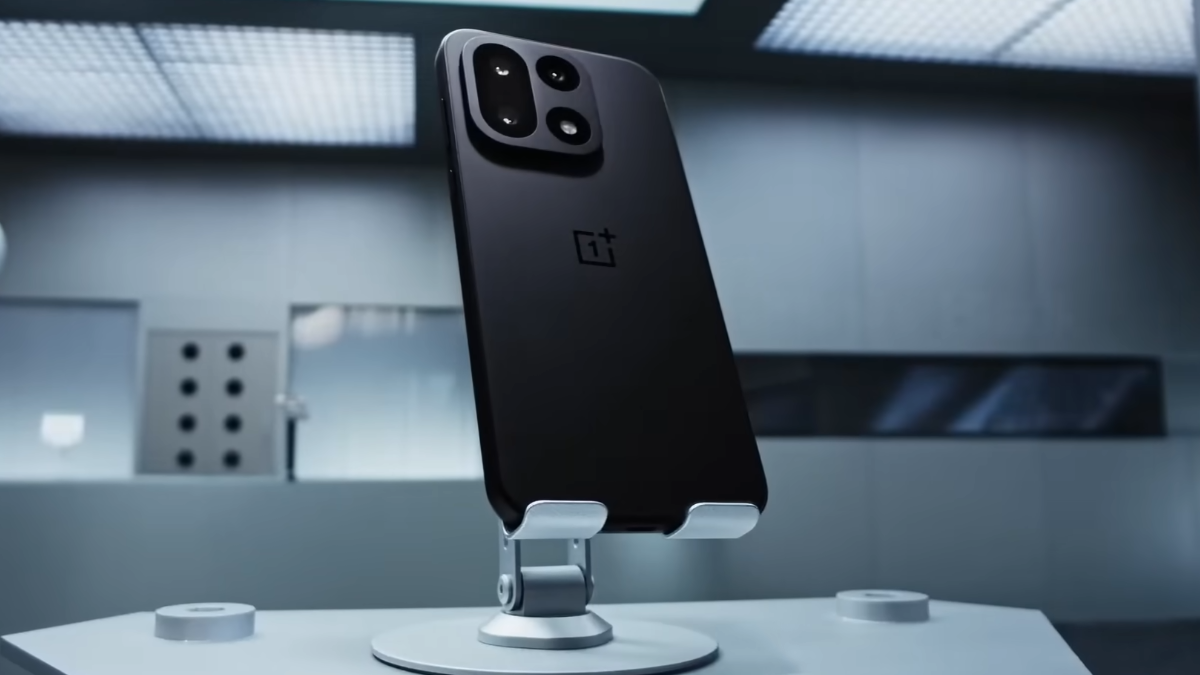
The OnePlus 16 could be shaping up to be one of the company’s most ambitious smartphone designs yet. In fact, a new leak suggests the flagship may feature bezels measuring less than 1mm on all four sides of the display.
According to tipster Digital Chat Station, OnePlus is currently testing ultra-thin bezels alongside a new 185Hz display panel.
If the final hardware matches those early prototypes, the OnePlus 16 could offer one of the most immersive screens. This would be one of the best seen on a mainstream flagship.
The bezel claim is arguably the more interesting of the two. Smartphone makers have spent years chasing the dream of an all-screen front design. However, even the most premium devices still leave a visible border around the display. The OnePlus 15 already reduced its bezels to around 1.15mm, so dropping below the 1mm mark would be a notable achievement.
Reaching that point typically requires advanced display packaging techniques that minimise the inactive area around the screen without compromising durability. The result is a cleaner look and a larger viewing area without increasing the overall size of the phone.
The display itself could receive an upgrade too. Earlier rumours pointed to a 240Hz refresh rate. But the latest leak suggests OnePlus is instead testing a 185Hz panel. While not quite as headline-grabbing, it would still represent a significant jump over the 165Hz display found on the OnePlus 15.
A higher refresh rate can make scrolling, animations and gaming feel smoother. Although the real-world difference between 165Hz and 185Hz is likely to be less dramatic than the jump from traditional 60Hz or 120Hz panels.
As with most early smartphone leaks, these specifications are reportedly based on engineering prototypes rather than final retail hardware. That means there’s still plenty of time for changes before launch.
Even so, if OnePlus manages to deliver both sub-1mm bezels and a faster display, the OnePlus 16 could stand out for more than just raw performance. It might finally bring us a little closer to the all-screen future smartphone makers have been promising for years.
