

Introduction
What Is the Human Mycobiome?
How Archaea Regulate Digestion and Energy Extraction
Cross-Kingdom Networks in the Human Gut
Clinical Implications
References
Further Reading
The non-bacterial gut microbiome, particularly fungi and archaea, plays an important role in metabolism, immune regulation, and microbial ecosystem stability through complex interactions with bacteria and the host. Emerging research links fungal dysbiosis and methanogenic archaea to obesity, inflammatory disorders, gastrointestinal disease, and potential future microbiome-based therapies.
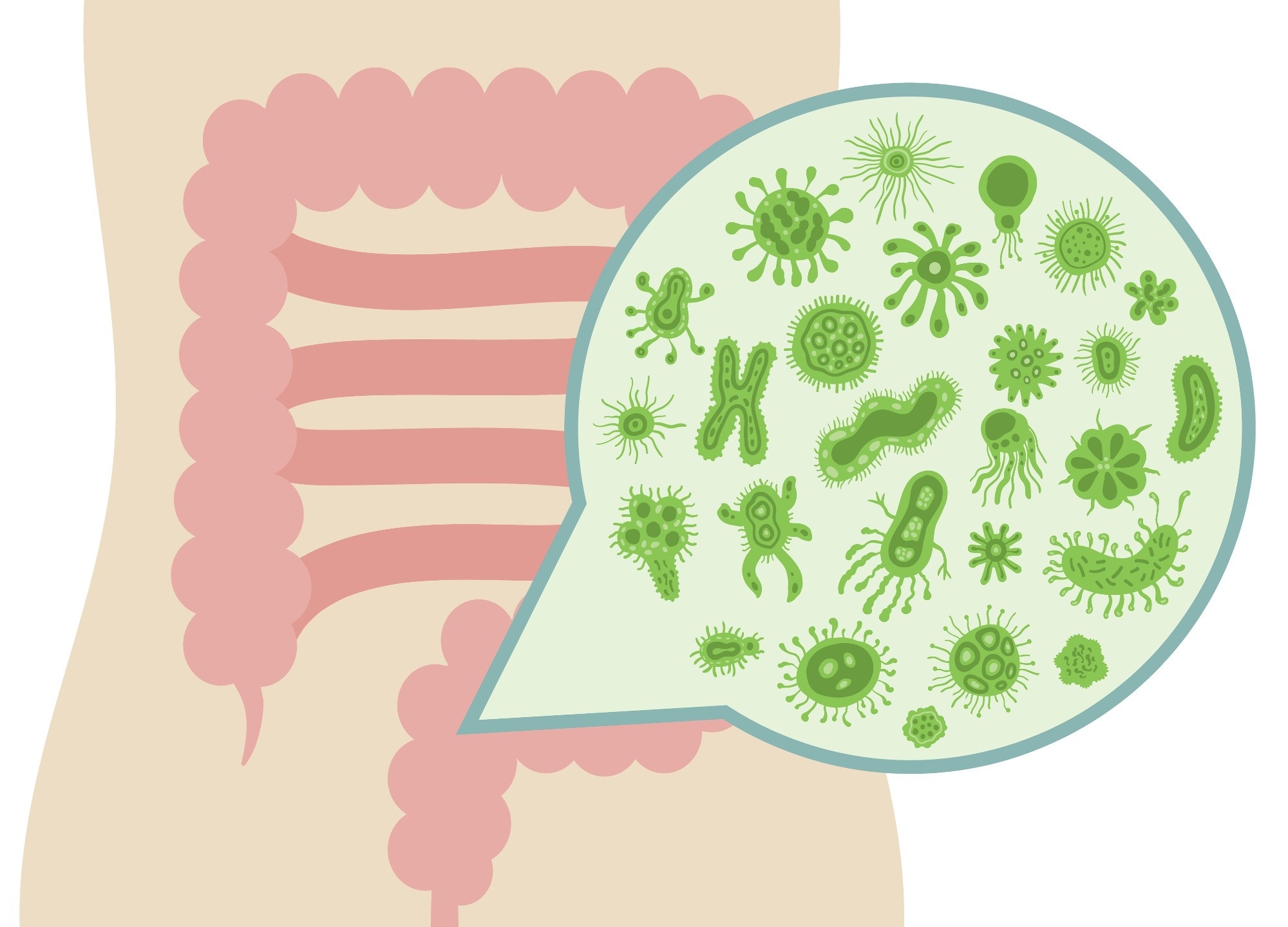 Image Credit: portumen / Shutterstock.com
Introduction
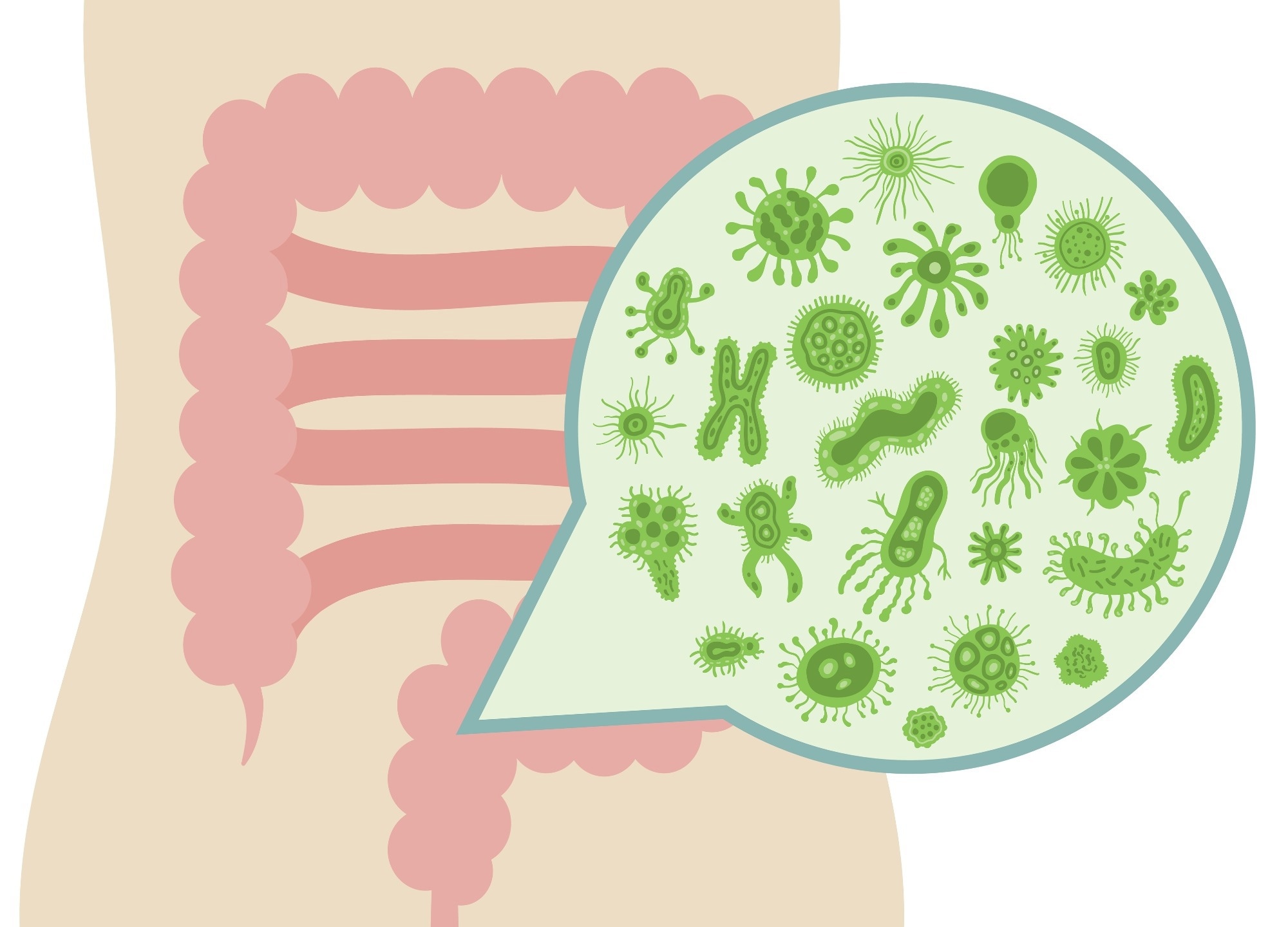
The gut microbiome comprises bacteria, fungi, archaea, viruses, and other microorganisms that influence health and disease. The biological significance of intestinal bacteria is well-established; however, recent advances in sequencing technologies indicate that both the gut mycobiome and archaeome are involved in metabolism, immune regulation, and microbial balance that influence the risk of developing obesity, inflammatory disorders, and diseases of the gastrointestinal tract.1,2,3 Although fungi represent only a small fraction of total gut microbes, they can have disproportionate effects through immune signaling, microbial competition, and interactions with bacteria.2
This article explores how gut fungi and archaea interact with bacteria and the immune system, influencing metabolism, digestion, inflammation, and human health through the complex non-bacterial microbiome. Viruses and bacteriophages are also major non-bacterial gut residents, but this article focuses primarily on fungi and archaea.1
What Is the Human Mycobiome?
Common fungi present within the gastrointestinal tract of healthy adults include Candida, Saccharomyces, Malassezia, Cladosporium, and Aspergillus. Saccharomyces cerevisiae and Candida albicans are among the most frequently detected species, but there is no single consensus definition of a healthy gut mycobiome because fungal communities are low-abundance, variable between individuals, and temporally unstable.2,3 Some fungi detected in stool may also reflect recent dietary intake rather than long-term intestinal colonization.2,4
Fungi and bacteria interact in complex ways: some fungi support bacterial growth, while others compete for nutrients and contribute to dysbiosis. For example, Candida albicans modifies bacterial composition after antibiotic exposure, whereas beneficial fungi like Saccharomyces boulardii may reduce the harmful effects of bacterial toxins and intestinal inflammation. Mixed fungal-bacterial biofilms also enhance microbial survival and resistance to host defenses, highlighting the ecological importance of these interactions.3,4
Although fungal diversity in the gastrointestinal tract is lower than bacterial diversity, fungal species can strongly influence host physiology and disease processes.2,3 In fact, fungal dysbiosis has been implicated in or associated with inflammatory bowel disease, obesity, metabolic disorder, irritable bowel syndrome, liver disease, and neurological disorders. Diet is one important driver: carbohydrate-rich diets have been linked with higher Candida abundance, whereas protein- and amino-acid-rich diets have been linked with lower Candida and Methanobrevibacter abundance.2,4
Mycobiome: fungi living in our bodies
How Archaea Regulate Digestion and Energy Extraction
During bacterial fermentation of complex carbohydrates, hydrogen accumulates within the gastrointestinal tract, with the potential to inhibit further fermentation if not removed. Methanogens like Methanobrevibacter smithii convert excess hydrogen, along with carbon dioxide produced by bacterial fermentation, into methane, thereby allowing bacteria to metabolize food more efficiently. Methanobrevibacter interacts with various bacteria, such as Bacteroides and Prevotella, thereby exemplifying how archaea participate in cross-kingdom microbial networks that regulate intestinal function and nutrient metabolism.1,4 In one sequencing study of healthy adults, Methanobrevibacter was the most prevalent archaeal genus and was detected in about 30% of samples, while other archaeal genera were less frequent.4
The presence of altered methanogen abundance is associated with medical conditions like obesity, metabolic disorders, constipation, and inflammatory conditions. One hypothesis postulates that increased methanogen concentrations within the gut may increase energy absorption from the diet to cause weight gain, whereas methane production has also been linked with slower intestinal transit and constipation.1,4 However, these associations remain nuanced and do not establish that methanogens alone cause obesity or metabolic disease.1
Cross-Kingdom Networks in the Human Gut
The gut microbiome is a complex ecosystem comprising multiple kingdoms, including bacteria, fungi, archaea, and viruses, that continuously interact with one another and the host. Fungi communicate with bacteria by sharing nutrients and metabolites, whereas other species compete with each other by consuming nutrients and forming biofilms. Bacteria also interact with methanogenic archaea by supplying hydrogen produced during carbohydrate fermentation, thereby improving the efficiency of microbial fermentation and energy extraction from carbohydrates.1,3 Because bacteriophages can reshape bacterial communities, the virome may indirectly influence fungal and archaeal niches as part of the same ecosystem.1
Balanced fungal and bacterial populations maintain immune tolerance and gut barrier integrity, while disruptions in microbial interactions may induce a hyperactive immune response. For example, fungal cell wall components like beta-glucan and mannan induce immune responses by binding to receptors, such as Dectin-1 on immune cells, that subsequently activate pro-inflammatory pathways and produce cytokines like interleukin-17 and tumor necrosis factor-α. Compared with other commensal fungi, some confer protection during bacterial dysbiosis by reducing intestinal injury and modulating host immunity.2,3
Disturbances in cross-kingdom microbial relationships may contribute to dysbiosis and disease development. Antibiotics, dietary changes, and an impaired immune system alter the composition of bacteria and fungi, creating ideal conditions for the overgrowth of opportunistic microorganisms such as Candida albicans.
The resulting imbalance has been associated with conditions such as obesity, inflammatory bowel disease, metabolic disorders, and infections. These findings suggest that understanding microbial ecosystem dynamics is essential for developing microbiome-based therapies targeting multiple kingdoms, rather than bacteria alone.1,2,3 However, many reported links remain observational, and future studies need to test fungi, archaea, viruses, and bacteria together rather than as isolated compartments.1,2
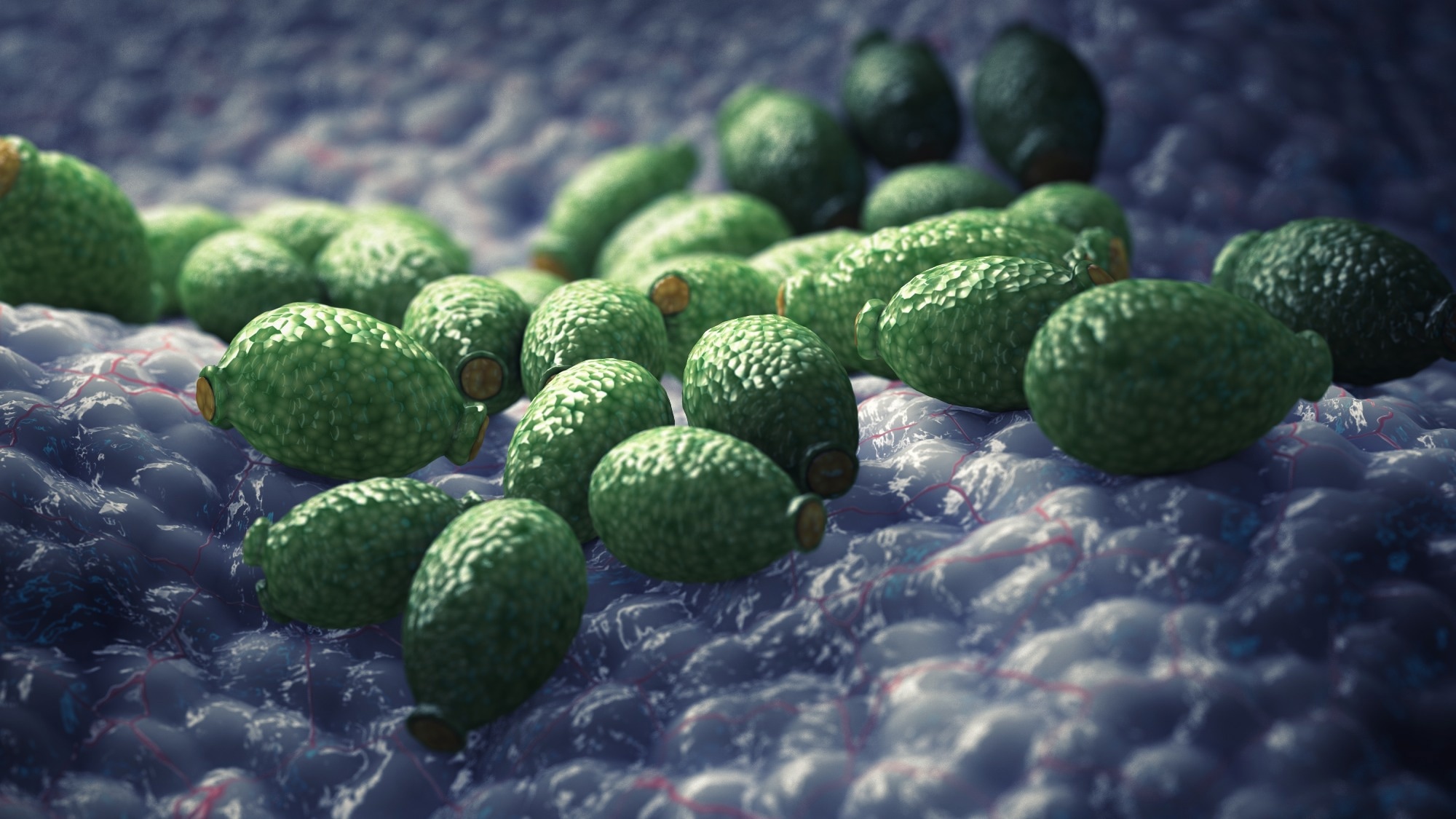 Image Credit: nobeastsofierce / Shutterstock.com
Clinical Implications
Increased levels of certain fungal species like Candida albicans, as well as reduced species diversity, are associated with intestinal inflammation and metabolic impairment. Moreover, archaea like Methanobrevibacter smithii alter energy metabolism and may contribute to constipation due to methane gas production.1,2,3
Conversely, certain fungi like Saccharomyces boulardii protect intestinal tissues from the damaging effects of inflammation and toxins produced by bacteria, suggesting their potential therapeutic application as a probiotic supplement. Microbiome-modulating strategies such as dietary changes, antifungal medications, fecal microbiota transplant, and microbial metabolite treatment are increasingly being studied for their potential to support metabolism and immune system homeostasis.2,3 Because antifungal treatment can sometimes worsen inflammatory outcomes in animal models, therapeutic manipulation of the mycobiome requires careful disease-specific evaluation.2,3
As sequencing technologies continue to advance, researchers are identifying associations and candidate mechanistic links between specific fungi and archaea communities in stool samples and disease risk. Specifically, the presence of certain fungi, altered methane production, and other microbial markers may help predict disease progression, treatment response, and/or susceptibility to inflammatory and metabolic disorders, thus supporting the development of personalized strategies for disease prevention and management. At present, these markers are best viewed as research tools rather than validated stand-alone clinical tests.1,2
References
- Chue, K. M., Wong, S. H., Zuo, T., & Ali, Y. (2025). The role of the gut non-bacterial microbiome (virome, mycobiome, archaeome) and its impact on obesity. Molecular Metabolism 103. DOI: 10.1016/j.molmet.2025.102289. https://www.sciencedirect.com/science/article/pii/S2212877825001966
- Zhang, F., Aschenbrenner, D., Yoo, J. Y., & Zuo, T. (2022). The gut mycobiome in health, disease, and clinical applications in association with the gut bacterial microbiome assembly. The Lancet Microbe 3(12); e969-e983. DOI: 10.1016/S2666-5247(22)00203-8. https://www.sciencedirect.com/science/article/pii/S2666524722002038
- Chin, V. K., Yong, V. C., Chong, P. P., et al. (2020). Mycobiome in the gut: a multiperspective review. Mediators of Inflammation 2020(1). DOI: 10.1155/2020/9560684. https://onlinelibrary.wiley.com/doi/10.1155/2020/9560684
- Hoffmann, C., Dollive, S., Grunberg, S., et al. (2013). Archaea and fungi of the human gut microbiome: correlations with diet and bacterial residents. PLOS ONE 8(6). DOI: 10.1371/journal.pone.0066019. https://journals.plos.org/plosone/article?id=10.1371/journal.pone.0066019
Further Reading
Last Updated: Jun 10, 2026
